o que a mae não pode comer durante a amamentação Pastoral da criança ressalta importância do aleitamento materno
When it comes to breastfeeding, a mother’s diet plays a vital role in providing essential nutrients to her baby. It’s important to consume a balanced and nutritious diet that supports milk production and meets both the mother’s and baby’s nutritional needs.
What to Eat during Breastfeeding
During breastfeeding, it is recommended to include a variety of foods from different food groups to ensure an adequate intake of essential nutrients. Here are some foods that are beneficial for nursing mothers:
 Leafy Greens:
Green leafy vegetables such as spinach, kale, and broccoli are excellent sources of essential vitamins and minerals. They also provide a good amount of dietary fiber, which aids in digestion and prevents constipation.
 Fruits and Vegetables:
Incorporating a variety of fruits and vegetables into your diet ensures a wide range of nutrients, including vitamins, minerals, and antioxidants. Berries, citrus fruits, carrots, and sweet potatoes are particularly great choices.
Protein-Rich Foods:
Lean meats, poultry, fish, eggs, beans, and lentils are excellent sources of protein. Protein is essential for both the mother and baby’s growth, development, and repair of body tissues.
Whole Grains:
Opt for whole grains like quinoa, brown rice, oats, and whole wheat bread. They are high in fiber, providing sustained energy levels and promoting digestive health.
Healthy Fats:
Incorporate sources of healthy fats such as avocados, nuts, seeds, and olive oil. These fats are important for brain development in infants and help in the absorption of fat-soluble vitamins.
What to Avoid during Breastfeeding
While there are many foods that are beneficial during breastfeeding, it’s also important to be cautious of certain foods that may affect the baby’s health or cause discomfort. Here are some foods to avoid:
Caffeine and Alcohol:
Excessive consumption of caffeine or alcohol can pass through breast milk to the baby. Limit your intake of caffeinated beverages like coffee and avoid alcohol completely to ensure the well-being of your baby.
Spicy and Gassy Foods:
Some babies may be sensitive to spices and gas-inducing foods like onions, garlic, and beans. Pay attention to your baby’s reactions after consuming such foods and make adjustments accordingly.
Allergenic Foods:
Common allergenic foods such as peanuts, fish, shellfish, and eggs should be introduced cautiously. If you have a history of allergies in your family, consult with a healthcare professional before including these foods in your diet.
Remember, every mother’s body is unique, and it’s important to listen to your body’s needs and consult with a healthcare professional for personalized advice.
Ensuring a nutritious diet during breastfeeding is an essential way to support your baby’s growth and development. By consuming a well-balanced diet that includes a variety of foods, you can rest assured knowing you are providing the best possible nourishment for your little one.
If you are looking for O que não comer durante a amamentação? you’ve visit to the right page. We have 5 Pics about O que não comer durante a amamentação? like O que não comer durante a amamentação?, Pastoral da Criança ressalta importância do aleitamento materno - A12.com and also Saiba o que comer e o que evitar durante a fase de amamentação. Here you go:
O Que Não Comer Durante A Amamentação?
 www.vidaativa.ptSaiba O Que Comer E O Que Evitar Durante A Fase De Amamentação
 www.pinterest.com.mxPastoral Da Criança Ressalta Importância Do Aleitamento Materno - A12.com
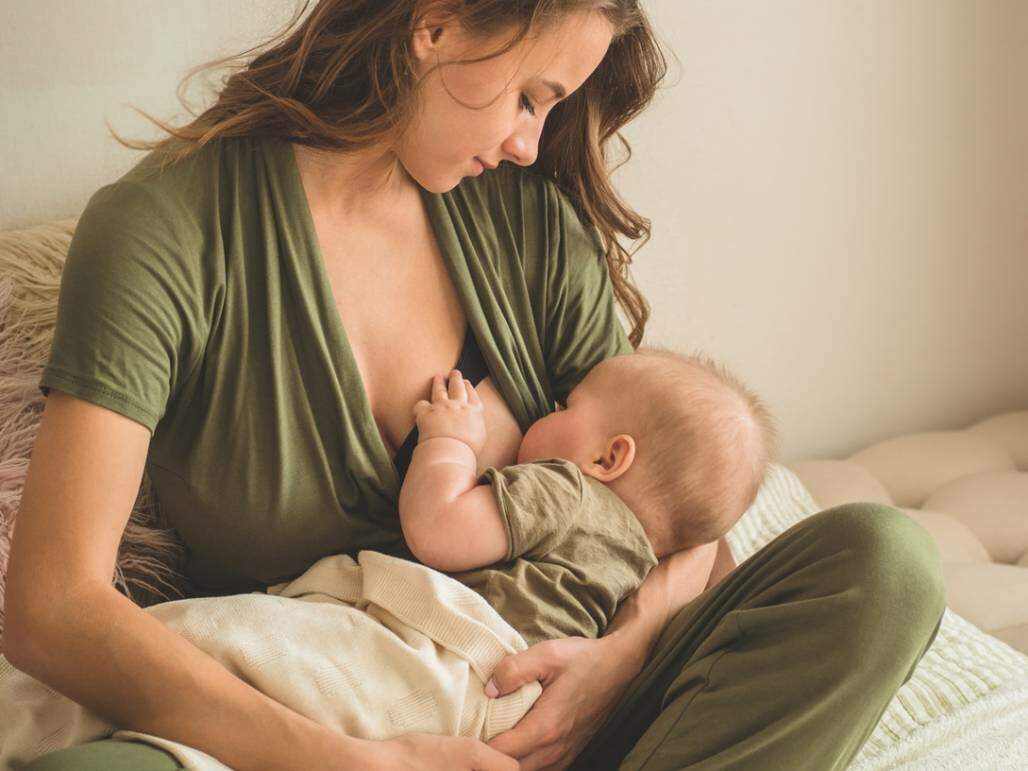 www.a12.comO Que Comer E O Que Não Comer Durante A Amamentação | De Mãe Para Mãe
demaeparamae.ptO Que As Mães Devem Comer Durante A Amamentação (com Imagens
www.pinterest.comO que comer e o que não comer durante a amamentação. O que não comer durante a amamentação?. Saiba o que comer e o que evitar durante a fase de amamentação