does intermittent fasting really work for weight loss How intermittent fasting can fast track your weight loss
Intermittent fasting, an eating pattern that involves cycling between periods of fasting and eating, has gained significant popularity in recent years, especially among those seeking weight loss. With numerous anecdotal success stories and claims about its effectiveness, it begs the question: does intermittent fasting truly work for weight loss?
Intermittent Fasting and Weight Loss: Separating Fact from Fiction
Intermittent fasting has been the subject of much scientific research, and several studies have shown promising results regarding its impact on weight loss. One study published in the New England Journal of Medicine found that intermittent fasting resulted in significant weight loss and reduced insulin levels, suggesting potential benefits for those with type 2 diabetes or insulin resistance.
Another study published in the journal Cell Metabolism discovered that intermittent fasting improved metabolic health by reducing liver fat, lowering blood sugar levels, and increasing insulin sensitivity. These findings are particularly important because metabolic health is closely linked to weight management and overall well-being.
The Mechanisms Behind Intermittent Fasting’s Weight Loss Effects
Intermittent fasting triggers several physiological changes in the body, which contribute to its potential weight loss benefits:
1. Reduced Caloric Intake
One of the primary reasons why intermittent fasting may lead to weight loss is simply due to the reduction in overall caloric intake. By restricting the window of time during which food is consumed, individuals often find themselves naturally eating fewer calories, creating a caloric deficit necessary for weight loss.
2. Increased Fat Burning
During fasting periods, the body taps into its fat stores as a source of energy, leading to a greater utilization of stored fat. This can contribute to weight loss over time, especially when combined with a consistent exercise routine to further boost fat burning.
3. Improved Hormonal Balance
Intermittent fasting has been shown to improve insulin sensitivity and regulate the production of hormones such as ghrelin and leptin, which play crucial roles in hunger and satiety. By promoting a better hormonal balance, intermittent fasting may help individuals better control their appetite and reduce overeating.
How to Incorporate Intermittent Fasting into Your Lifestyle
If you are interested in giving intermittent fasting a try, it is important to start slowly and gradually increase the fasting duration to allow your body to adjust. Here’s a suggested approach:
- Begin with a 12-hour fasting window: For example, if you finish dinner at 8 pm, wait until 8 am the next day before having breakfast.
- Gradually extend the fasting window: Once you feel comfortable with the 12-hour fast, consider increasing it by an hour every few days until you reach a fasting period that suits your lifestyle and goals.
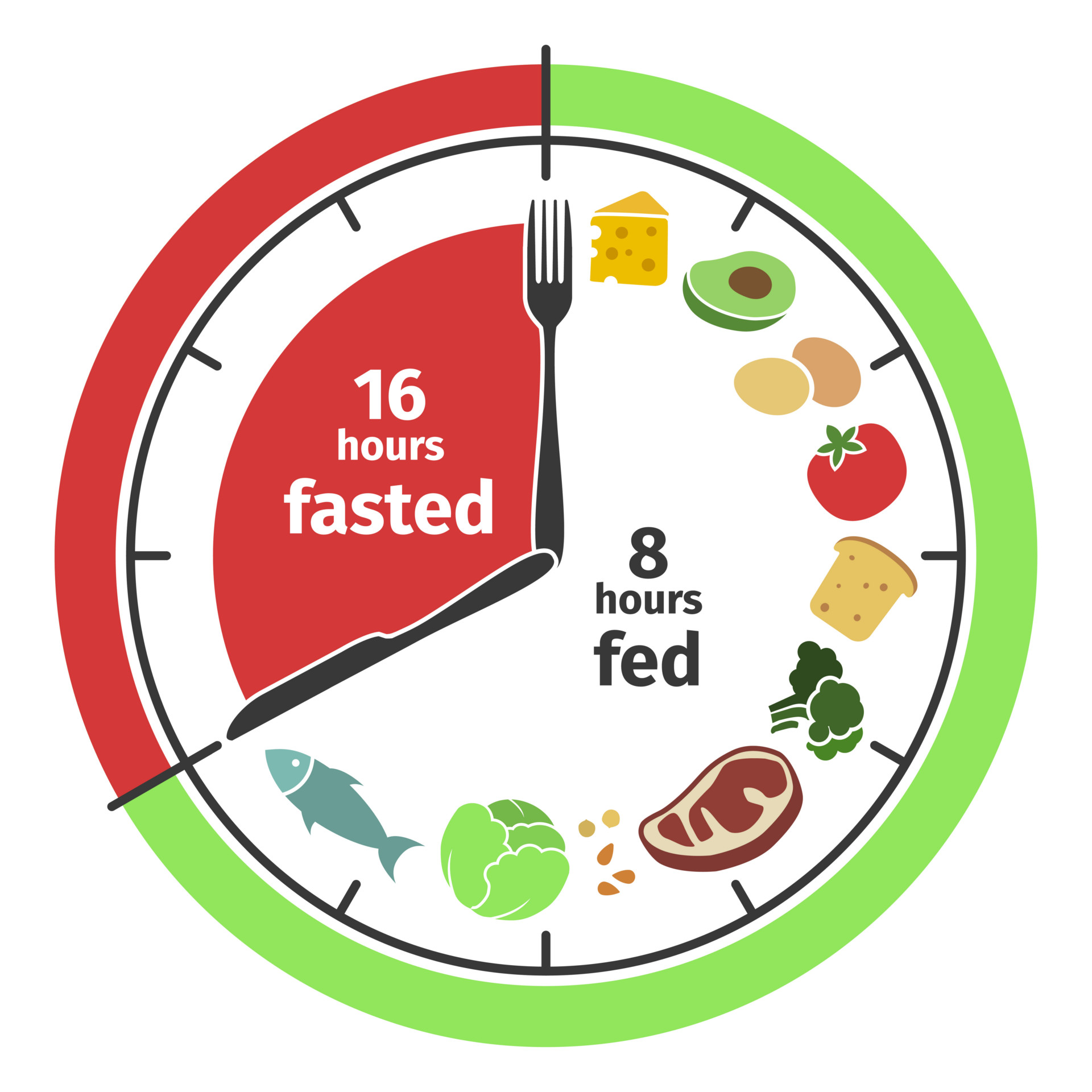
- Experiment with different fasting methods: There are various intermittent fasting protocols to choose from, such as the 16/8 method (16 hours fasted, 8-hour feeding window) or alternate day fasting. Find the approach that works best for you and aligns with your schedule and preferences.
- Stay hydrated: It is essential to drink plenty of water, herbal tea, or other non-caloric beverages during fasting periods to stay hydrated and support your body’s natural detoxification processes.
 The Bottom Line
When done safely and with appropriate guidance, intermittent fasting can be a valuable tool for weight loss. However, it is important to keep in mind that results may vary among individuals. It is essential to listen to your body, prioritize your nutritional needs, and consult with a healthcare professional or registered dietitian before making any dietary changes.
Remember, weight loss should not be the sole focus of your health journey. Prioritizing overall well-being, such as getting regular physical activity, consuming a balanced diet, and managing stress, is crucial for long-term success. Intermittent fasting can complement these efforts and potentially support weight loss goals.
 In conclusion, intermittent fasting has emerged as a popular approach for weight loss, and scientific research supports its potential benefits. However, it is essential to approach it with caution, make gradual changes, and prioritize your overall well-being. Remember, sustainable weight loss involves adopting healthy habits that you can maintain in the long run, so choose an approach that aligns with your lifestyle and goals.
If you are looking for Does Intermittent Fasting Work For Weight Loss - Strengthery you’ve visit to the right web. We have 5 Images about Does Intermittent Fasting Work For Weight Loss - Strengthery like Does Intermittent Fasting Work For Weight Loss - Skinny Fitalicious®, Does Intermittent Fasting Really Work for Weight Loss? and also Does Intermittent Fasting Really Work for Weight Loss?. Read more:
Does Intermittent Fasting Work For Weight Loss - Strengthery
 strengthery.comfasting intermittent loss weight does work
Does Intermittent Fasting Work For Weight Loss - Skinny Fitalicious®
skinnyfitalicious.comfasting intermittent weight skinnyfitalicious
Does Intermittent Fasting Really Work For Weight Loss?
 fastingwithintention.comPin On Fasting
www.pinterest.comfasting intermittent lose reduce bloating diets deficit caloric sugar gain ketogenic meal tigerfitness explored ournaturalcure dietplanhealth omad
How Intermittent Fasting Can Fast Track Your Weight Loss - Rep1 Fitness
 rep1.cafasting intermittent loss weight fast rep1
Does intermittent fasting really work for weight loss?. How intermittent fasting can fast track your weight loss. Fasting intermittent lose reduce bloating diets deficit caloric sugar gain ketogenic meal tigerfitness explored ournaturalcure dietplanhealth omad